
How to Sell a Sign on Site
 Jack KellyCo-Founder, Vuely
Learn how to sell a sign on site by merging the technical survey with a sales consultation. Uncover add-on signage and secure deposits before leaving.
On this page
To master how to sell a sign on site, you must turn a routine technical survey into a revenue-generating consultation.
This means capturing precise measurements and photos while guiding the customer through design options, municipal restrictions, and pricing before you leave the property.
By shifting the sales pitch to the physical location, you prevent the deal from stalling in the shop estimating queue. This guide covers how to structure site visits to qualify leads, build authority through technical expertise, and secure the contract before competitors get a chance to bid.
Merge the Technical Survey With Sales
Sending a pure surveyor to measure a facade limits your sales potential. The estimator or project manager should lead the visit to ask business-focused questions while taking measurements.
Your primary goal is to gather the facts required for pricing while simultaneously demonstrating your value. Arrive prepared with physical examples and digital estimation platforms so you can answer technical questions on the spot. Remind the client of the economic value of physical branding. A University of San Diego study found that adding an on-premise sign yields an average 4.75 percent increase in annual sales revenue.
Bring these essential tools on every visit:
- Laser measurer for accurate fascia dimensions and sightlines.
- Tablet with sign estimating software to calculate materials and labor instantly.
- Material sample kit to let the customer feel acrylic, vinyl, and metal finishes.
- Color swatches for accurate brand matching against existing building paint.
Audit the Full Facility for Add-On Opportunities
Customers often call for a single storefront sign. Walking the property together allows you to spot gaps in their entire visual package, providing an excellent opportunity to increase the total contract value.
Look for these common add-on opportunities:
- Missing ADA room signs inside the building.
- Faded directional and wayfinding signage in the parking lot.
- Empty window space suitable for vinyl graphics.
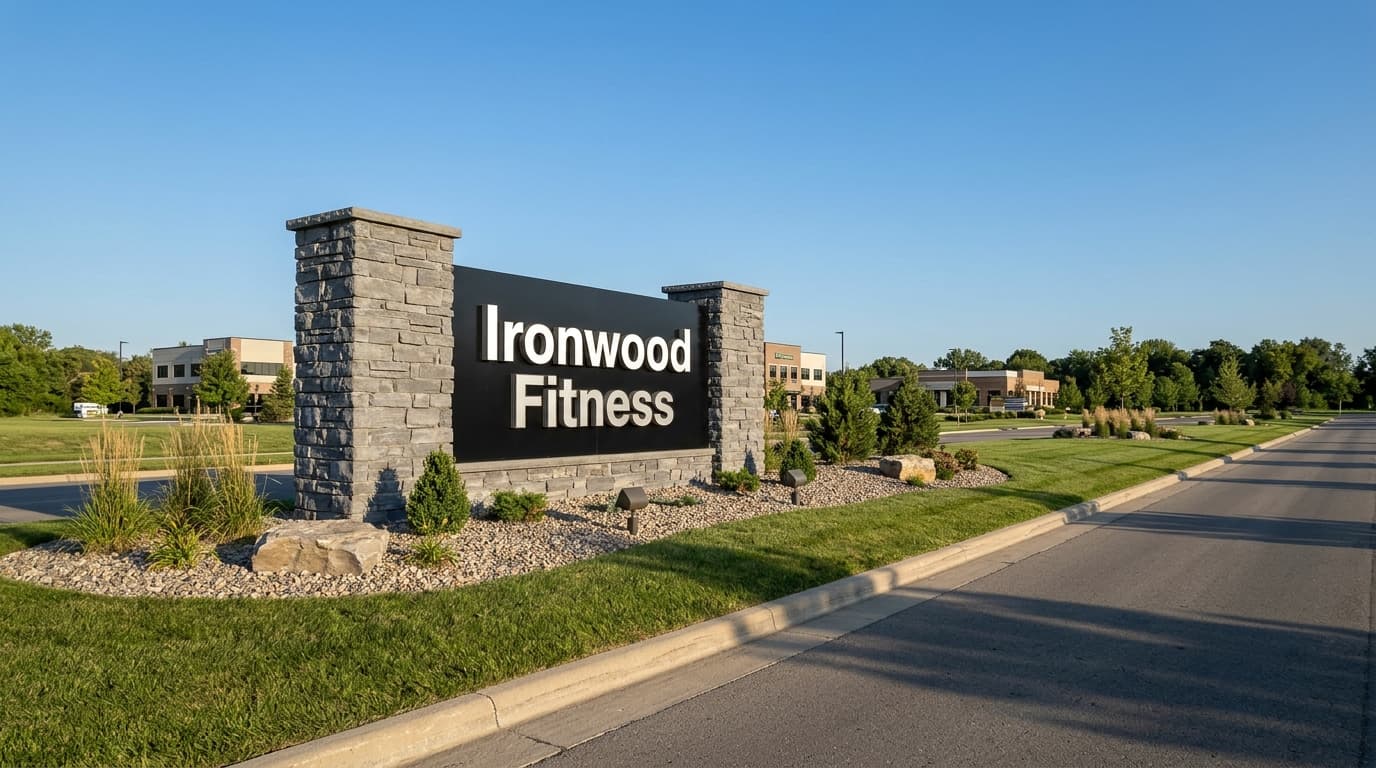
- Outdated monument panels at the street entrance.
Point out these issues organically during the walkthrough. Frame them as safety or visibility concerns rather than a hard pitch. If they need multiple locations updated, follow a structured multi-site signage rollout guide approach to scale the project.
Build Trust by Checking City Sign Codes
Estimating a massive channel letter set that the local municipality will reject ruins your credibility. Customers appreciate contractors who protect them from permitting fines and redesign fees.
Check the local zoning laws before arriving or use a sign code checker tool on your mobile device during the walkthrough. Inform the client about size restrictions, setback rules, and illumination limits immediately.
When you explain that a bucket truck and engineered drawings are required for compliance, sticker shock drops. Codes and requirements vary by jurisdiction, so you must always verify the specific city ordinance before finalizing the contract. Explaining these nuances positions your shop as an expert partner keeping them legal rather than a salesperson padding the bill.
Structuring Survey Fees and Project Deposits
Driving across town takes time and fuel. Shops often debate whether to charge for the initial site visit, but establishing a fee weeds out buyers who just want free measurements to shop around.
Standard practices for billing and deposits:
- Charge 150 to 350 dollars for complex surveys.
- Apply the survey fee as a credit toward the final invoice if the customer proceeds.
- Require a 50 percent deposit for standard fabrication.
- Ask for 60 to 65 percent upfront for electronic message centers.
Explain these terms clearly on site. A FedEx Office survey found 76 percent of consumers have entered a business they had never visited before based purely on its signage. Reiterate that the deposit is an investment in their foot traffic.
How to Sell a Sign on Site With Instant Mockups
Going back to the shop to build a quote adds days to the sales cycle. Presenting visual concepts and price estimates on site drastically increases close rates because you strike while the customer is highly engaged.
Use field-enabled tools to show concepts immediately. Vuely allows a rep to capture a photo, generate a photo-accurate mockup on the building, check the design against city code, estimate the price, and collect a signature before leaving. It is a dedicated sales tool, not shop management or production software.
If you cannot give an exact quote due to complex permitting, provide a realistic range based on the mockup. Get a commitment on the design direction and secure the initial deposit to begin the official engineering phase. You can review pricing for estimating software tiers that fit your shop size.
Sign codes change and vary by zoning district and overlay. Confirm with the authority having jurisdiction before submitting a permit.
Frequently Asked Questions
Should sign companies charge for on-site surveys?
Many sign shops charge between 150 and 350 dollars for dedicated site surveys. This is particularly true for complex installations. To avoid losing the sale, most companies apply this fee as a credit toward the project deposit once the customer signs the contract.
How do you price a custom sign on site without losing money?
Use field-enabled estimating tools to calculate materials and labor based on exact site measurements. If installation variables like hidden electrical lines or bad fascia conditions are uncertain, provide a firm price for the sign fabrication and quote the installation as time and materials.
What deposit should a sign company require before fabrication?
Standard industry terms require a 50 percent deposit before starting engineering, permitting, or fabrication. For high-cost hardware like electronic message centers, sign companies often require 60 to 65 percent upfront to cover the equipment costs.
How do you stop customers from shopping your site measurements to competitors?
Never hand over technical drawings or precise site measurements until the customer pays a design fee or project deposit. Present the concepts visually on your tablet during the visit to secure commitment without giving away free labor.
See Vuely on your own storefront
Site surveys, instant mockups, and ready-to-sign proposals in minutes.